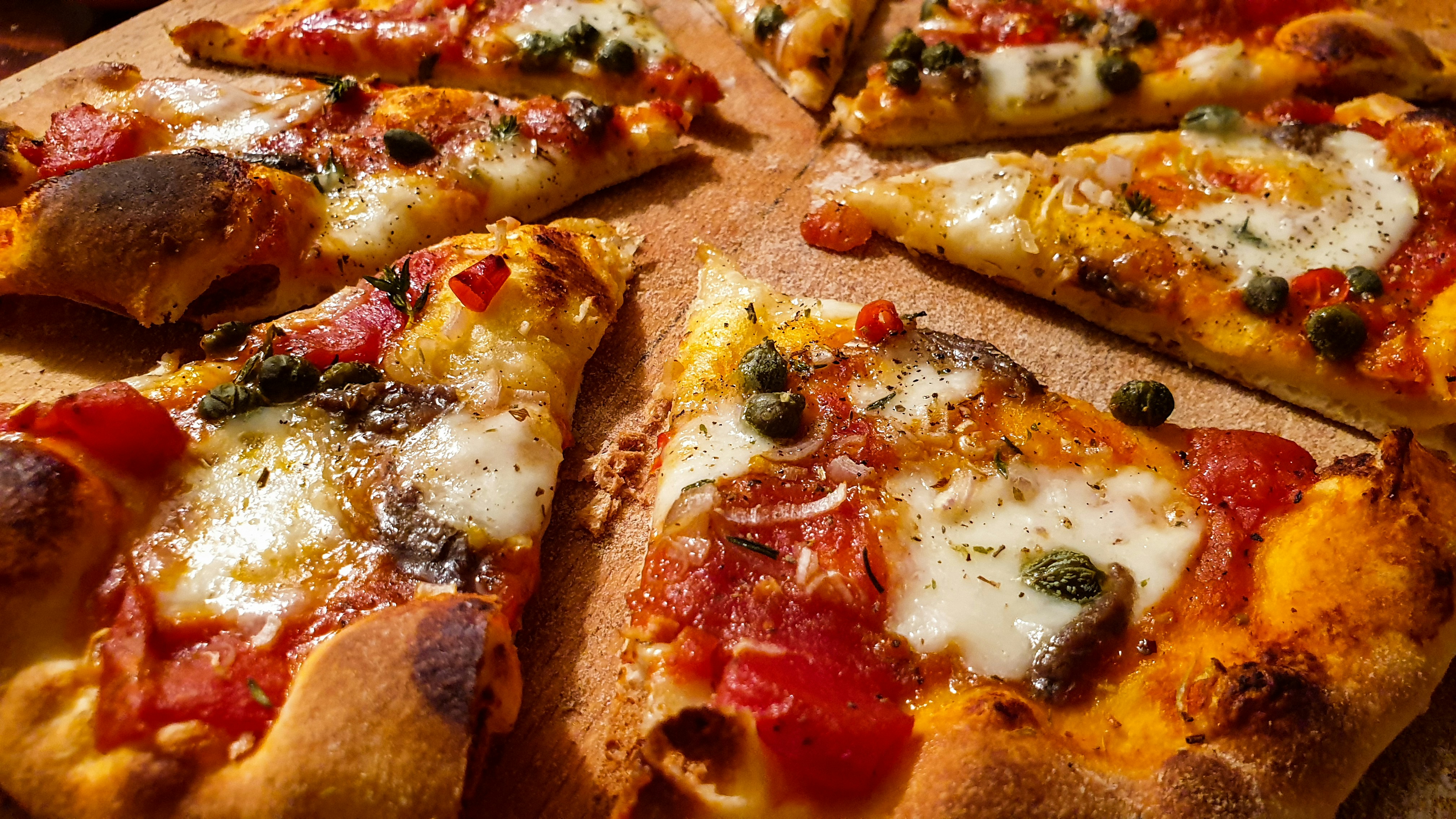
The Ultimate Guide to Yeast for Pizza Dough
Explore everything you need to know about yeast in pizza dough, including types, fermentation methods, and tips for achieving the perfect rise.
Learn
Fresh, active dry, instant, and natural leavening choices for pizza dough.
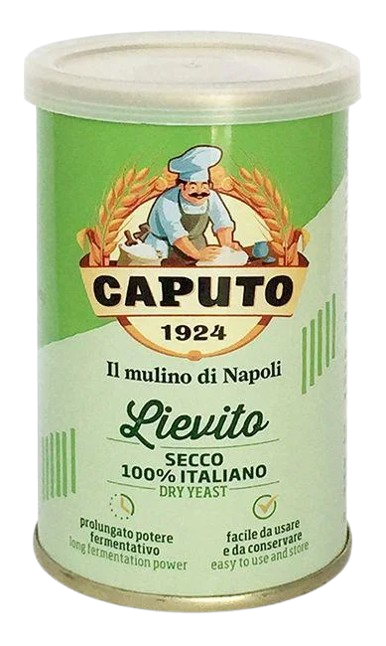
Yeast is the engine of fermentation. It creates gas for lift, helps develop aroma, and makes dough feel alive under your hands.
Instant yeast is easy to use because it can be mixed directly into flour and stores well. Active dry yeast works too, but it is often rehydrated first. Fresh yeast is traditional in many pizzerias, but it has a shorter shelf life and needs more careful handling.
Natural leavening adds another layer of flavor and acidity, but it also requires a mature starter and more scheduling discipline.
The right yeast amount depends on temperature and time. A same-day dough needs more yeast than a long cold fermentation. When dough overproofs, the fix is usually less yeast, less warmth, or less time.
Yeast choice matters, but timing matters more.
Start here
Explore everything you need to know about yeast in pizza dough, including types, fermentation methods, and tips for achieving the perfect rise.
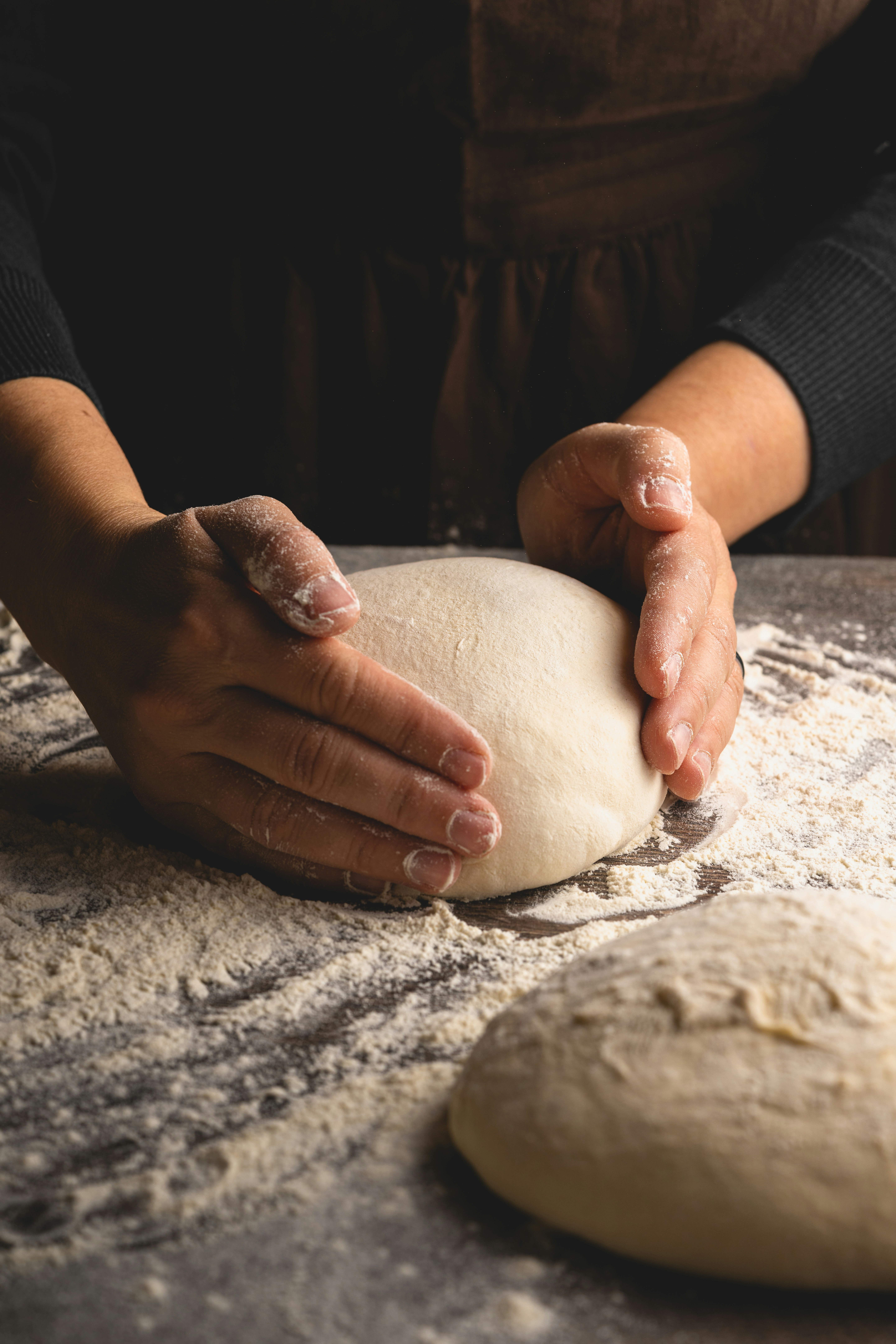
Explore the definition and significance of poolish in pizza dough making, including its role in flavor and texture development.
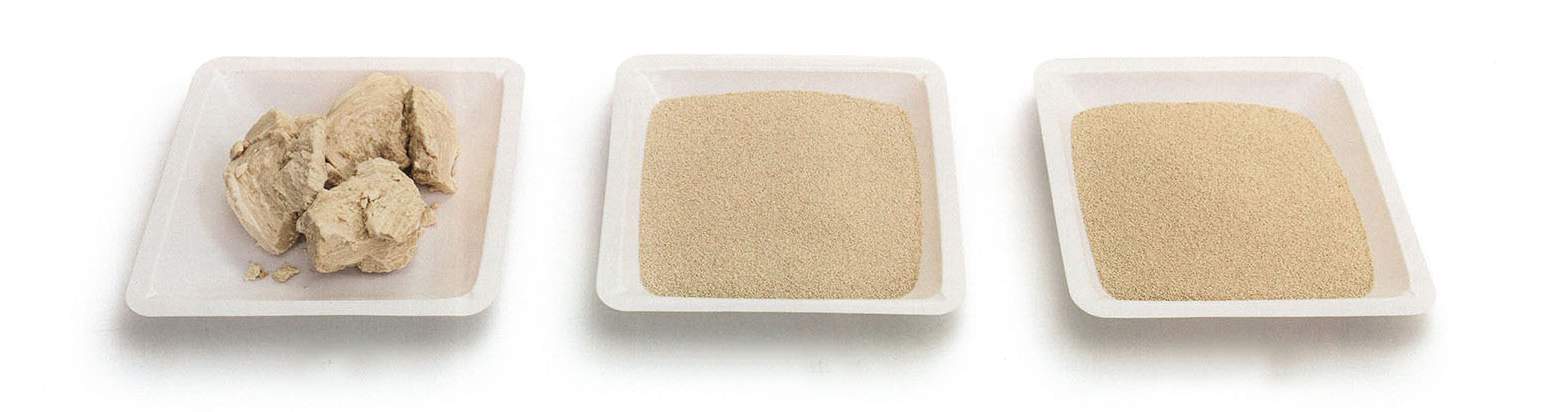
Compare instant yeast and active dry yeast to determine which is the best choice for your pizza dough, based on performance and ease of use.
Go deeper
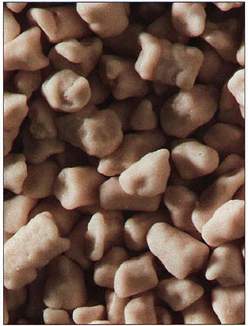
Discover the top five yeast options that will elevate your pizza dough, including instant, active dry, and fresh varieties.
Bake it
Advanced
 Romania
 Intermediate
 United States
 Intermediate
Intermediate
 Italy
Italy Beginner

Intermediate
Italy Campania Neapolitan