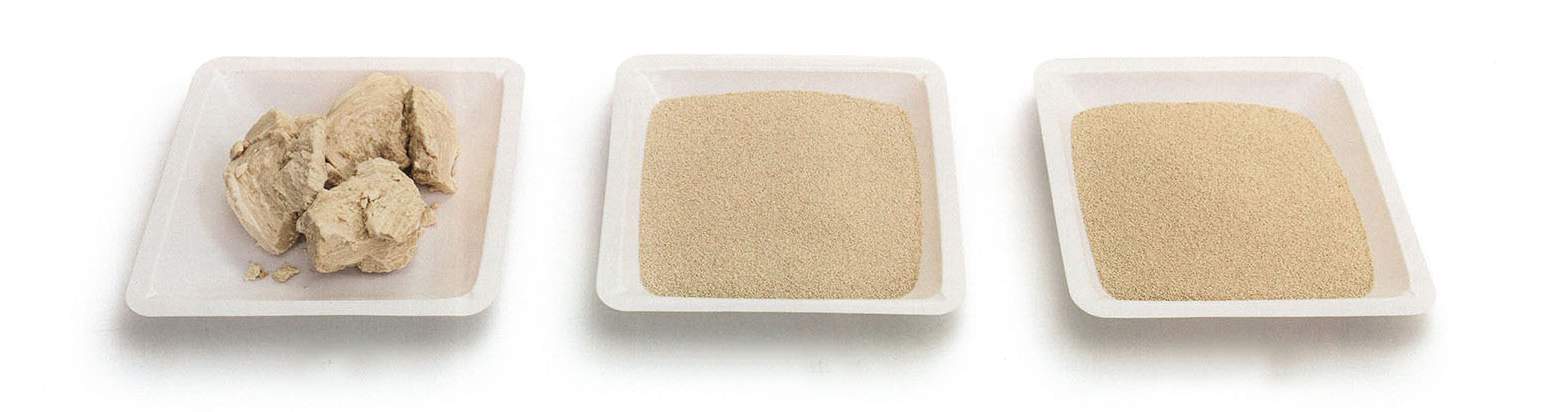
Instant Yeast vs Active Dry Yeast: Which is Best for Pizza?
When it comes to making the perfect pizza dough, the type of yeast you choose can significantly impact the final product. In this article, we'll explore the differences between instant yeast and active dry yeast to help you decide which is best for your pizza-making needs.
Understanding Yeast Types
Yeast is a crucial ingredient in pizza dough, providing the leavening that creates a light and airy crust. The two most common types of commercial yeast used in pizza making are instant yeast and active dry yeast. Both are derived from the same species, Saccharomyces cerevisiae, but they differ in their processing and performance.
Instant Yeast
Instant yeast, also known as quick-rise yeast, is made from a fast-acting strain of yeast. The granules are finer than those of active dry yeast, allowing for quicker rehydration and fermentation. This type of yeast can be added directly to the flour without the need for proofing in water, making it a convenient choice for busy bakers.
According to the source material, "instant yeast mixes into the dough better than active dry yeast and has more active yeast cells" (
the clear favorite was instant yeast.Page 6: This highlights the preference for instant yeast based on performance.
). This efficiency can lead to faster rising times, which is especially beneficial when you're in a hurry to make pizza.
Active Dry Yeast
Active dry yeast is another popular option, but it requires a bit more preparation. Before using it, bakers typically need to dissolve the granules in warm water to activate the yeast. This step is essential because the outer layer of active dry yeast granules contains dead cells that need to be rehydrated.
While active dry yeast can still produce excellent pizza dough, it is generally considered less efficient than instant yeast. As noted in the source, "it mystifies us that active dry yeast stays on the market" (
active dry yeast stays on the market.Page 6: This suggests a strong preference for instant yeast among professionals.
).
Comparing Performance
Rising Time
One of the most significant differences between instant and active dry yeast is their rising time. Instant yeast can reduce the overall preparation time for pizza dough, as it doesn't require proofing. In contrast, active dry yeast typically needs about 10 minutes to activate in water before being added to the dough.
Flavor Development
While both types of yeast can produce delicious pizza dough, the fermentation process can influence flavor. Longer fermentation times, often achieved with lower yeast quantities, can enhance the dough's flavor profile. Pizzerias often prefer using less yeast with longer fermentation periods to develop complex flavors, as seen in traditional Neapolitan pizza making (
most pizzaioli utilize fresh yeast.Page 6: This indicates a trend towards slower fermentation for flavor development.
).
Conclusion
In the battle of instant yeast vs. active dry yeast for pizza making, instant yeast emerges as the more efficient and user-friendly option. It offers faster rising times and ease of use, making it ideal for home bakers and busy pizzerias alike. However, if you enjoy the process of baking and want to experiment with flavor development, active dry yeast can still yield delicious results.
FAQs
1. Can I substitute active dry yeast for instant yeast?
Yes, you can substitute active dry yeast for instant yeast, but you'll need to use about 1.33 times the amount of active dry yeast and allow it to proof in warm water first.
2. Which yeast is better for beginners?
Instant yeast is generally recommended for beginners due to its ease of use and faster rising times.
3. Does the type of yeast affect the texture of the pizza crust?
Yes, the type of yeast can influence the texture, with instant yeast often resulting in a lighter and airier crust.
4. How should I store yeast?
Both instant and active dry yeast should be stored in a cool, dry place. Once opened, they can be refrigerated for longer shelf life.
5. Can I use both types of yeast in the same recipe?
While it's possible, it's usually best to stick to one type of yeast for consistency in rising and flavor.