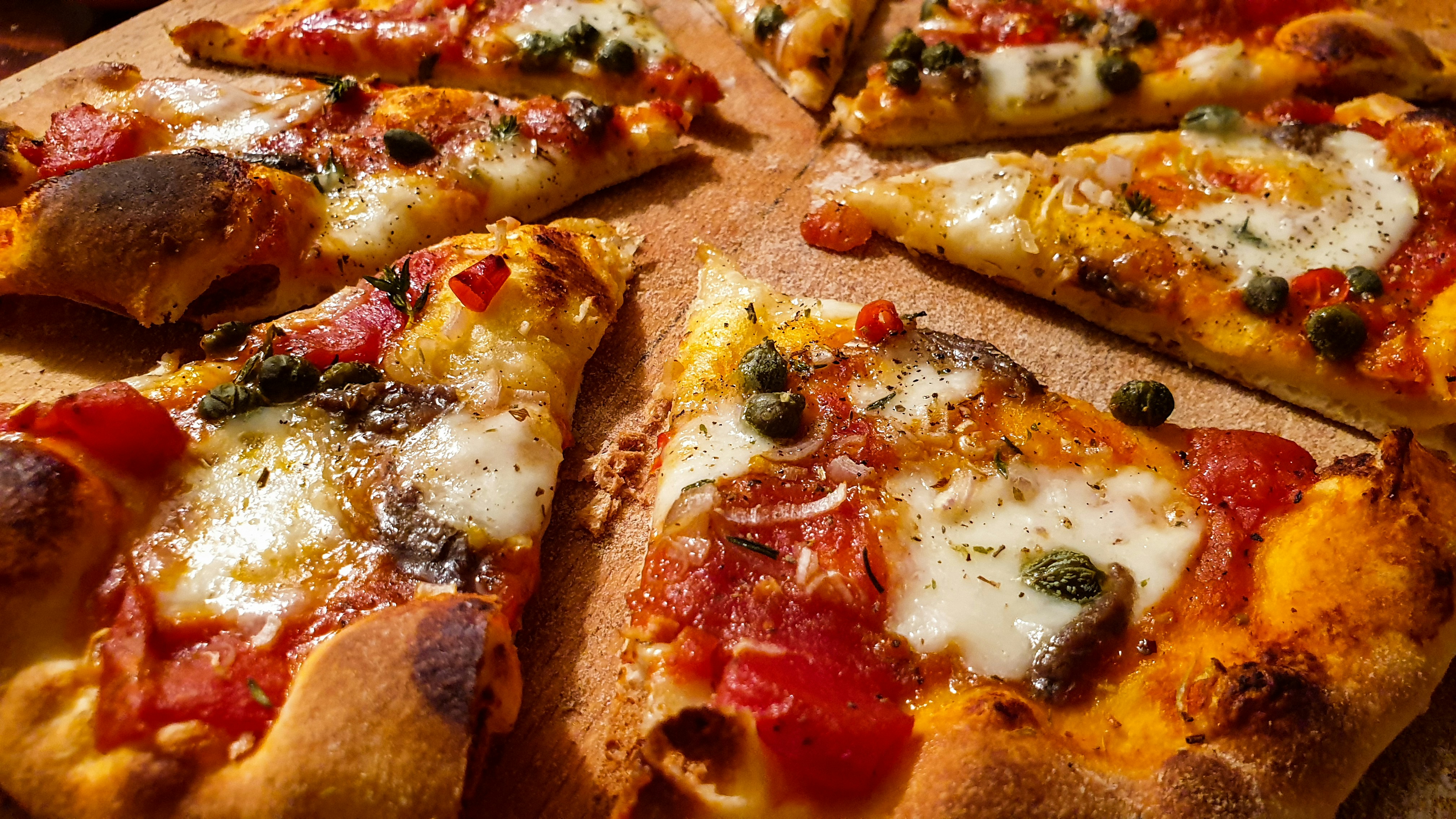
The Ultimate Guide to Yeast for Pizza Dough
Explore everything you need to know about yeast in pizza dough, including types, fermentation methods, and tips for achieving the perfect rise.
Learn
Time, temperature, yeast, and preferments working together to build flavor and dough strength.
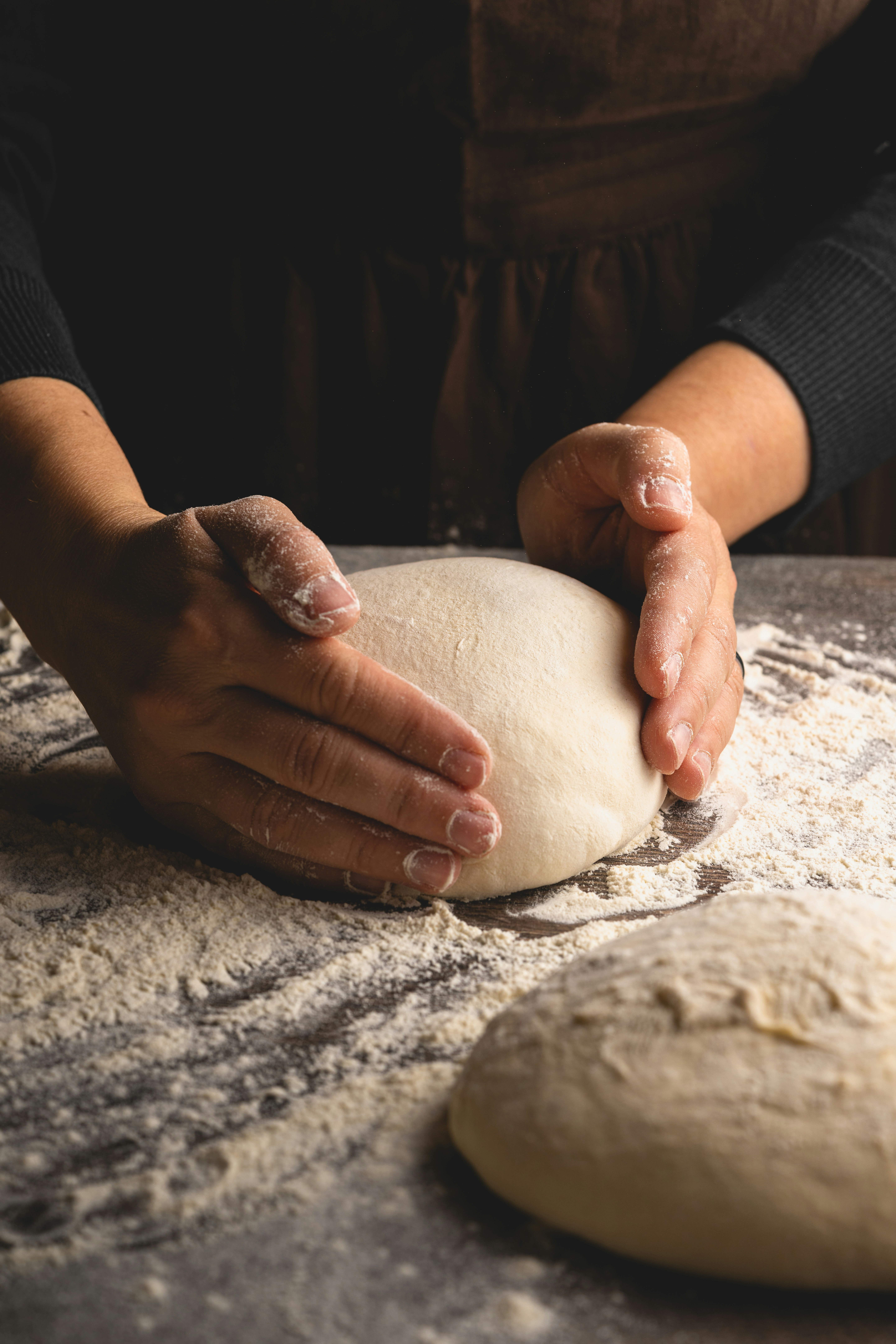
Fermentation is where dough becomes expressive. Yeast produces gas, enzymes unlock sugars, acids build flavor, and gluten relaxes enough to stretch without fighting back.
Time and temperature do most of the work. Warmer dough ferments faster and can move from ready to overproofed quickly. Cooler dough ferments more slowly, giving flavor and structure more time to develop.
Yeast amount controls the pace, not the quality by itself. Less yeast with more time often gives better flavor and handling than more yeast with a rushed schedule.
Poolish, biga, levain, and cold fermentation are all ways to manage time. They are useful when they solve a real problem: better flavor, easier scheduling, or a dough that stretches with less force.
Good fermentation is practical. The goal is dough that is relaxed, lively, and ready when your oven is ready.
Start here
Explore everything you need to know about yeast in pizza dough, including types, fermentation methods, and tips for achieving the perfect rise.
Explore the definition and significance of poolish in pizza dough making, including its role in flavor and texture development.
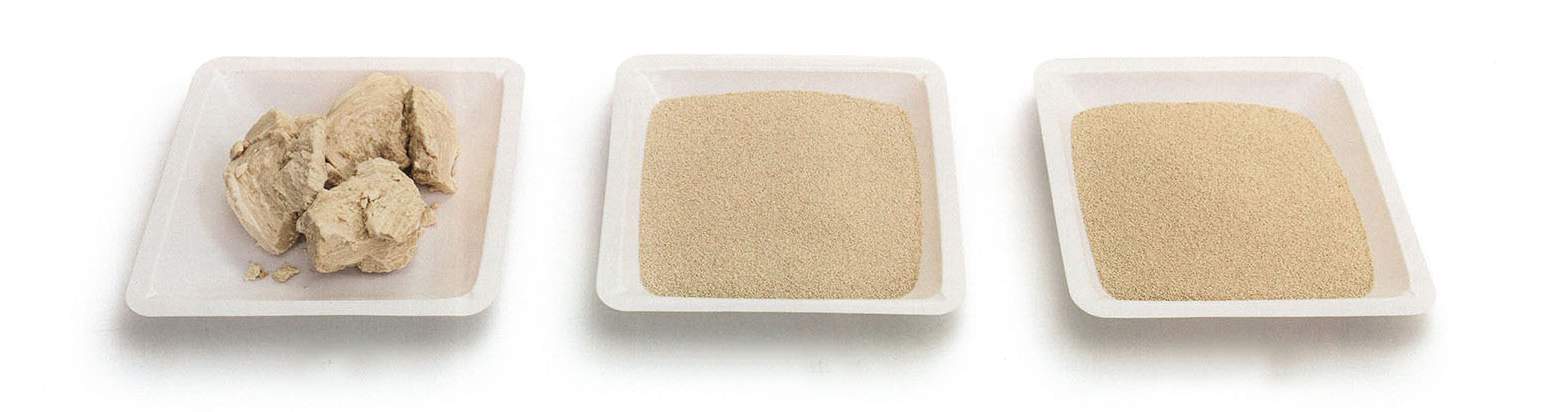
Compare instant yeast and active dry yeast to determine which is the best choice for your pizza dough, based on performance and ease of use.
Go deeper
Discover the top five yeast options that will elevate your pizza dough, including instant, active dry, and fresh varieties.
Bake it
Advanced
 Romania
 Intermediate
 United States
 Intermediate
Intermediate
 Italy
Italy Beginner

Intermediate
Italy Campania Neapolitan