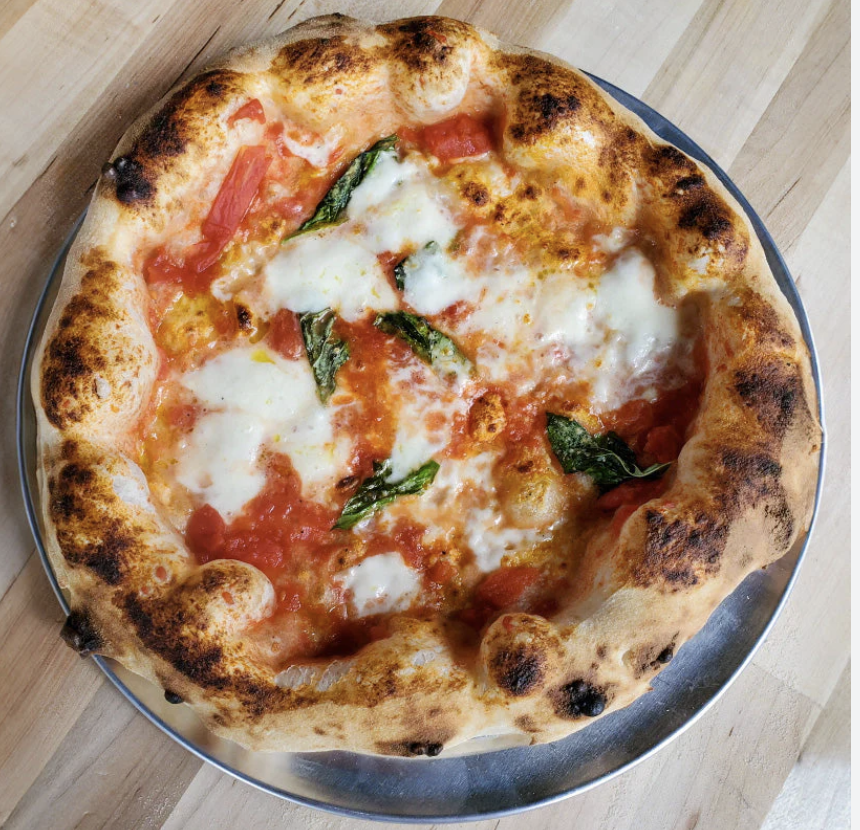
Neapolitan Pizza
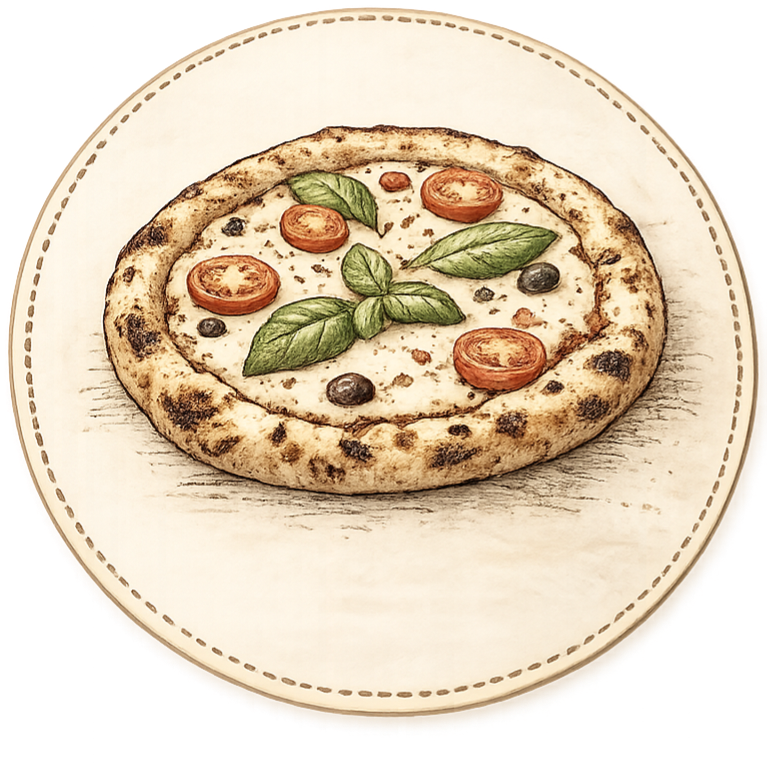
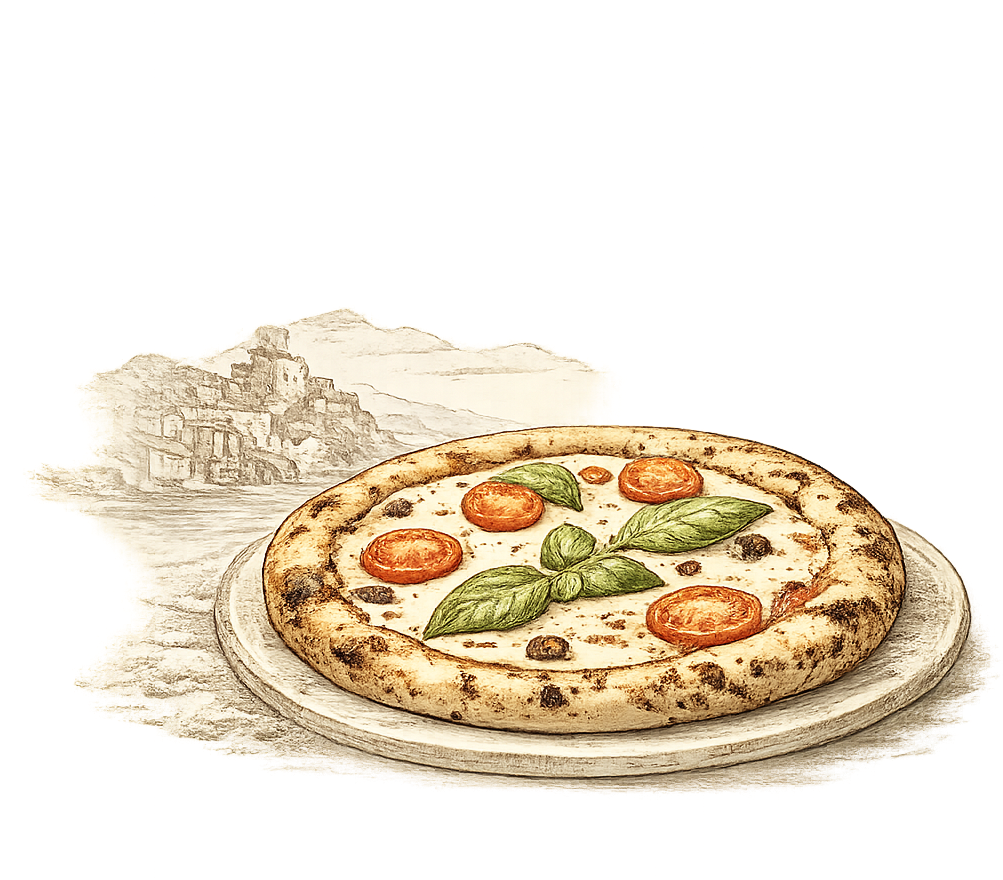
A traditional Neapolitan pizza recipe with 00 flour, fresh yeast, San Marzano tomatoes, mozzarella, basil, and a fast high-heat bake.
View the Neapolitan recipe
Explore step-by-step guides, tested recipes, and expert tips to help you bake pizza with confidence at home.
Trusted tools, tested by home pizza makers and chefs.
A curated list of the most famous pizza recipes from around the world.
A traditional Neapolitan pizza recipe with 00 flour, fresh yeast, San Marzano tomatoes, mozzarella, basil, and a fast high-heat bake.
View the Neapolitan recipeMost people think better pizza at home is just about finding the right recipe. But once you start learning about dough, heat, fermentation, flour, ovens, mixers, hydration, and regional styles, you realize there is a whole world hiding behind every bake.
Better Pizza
starts with Understandingss
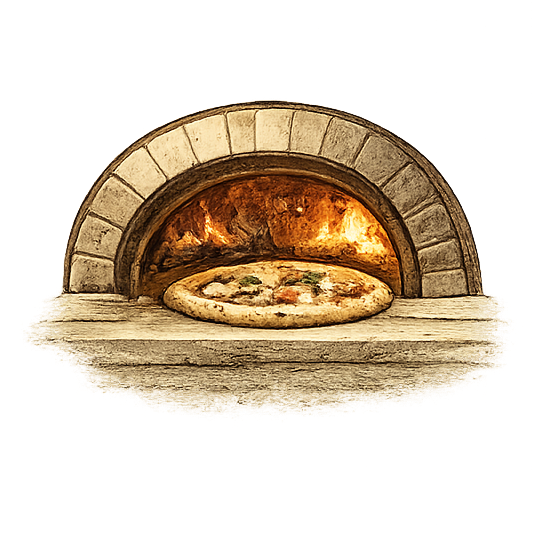
Your oven temperature is not the same as your stone temperature.
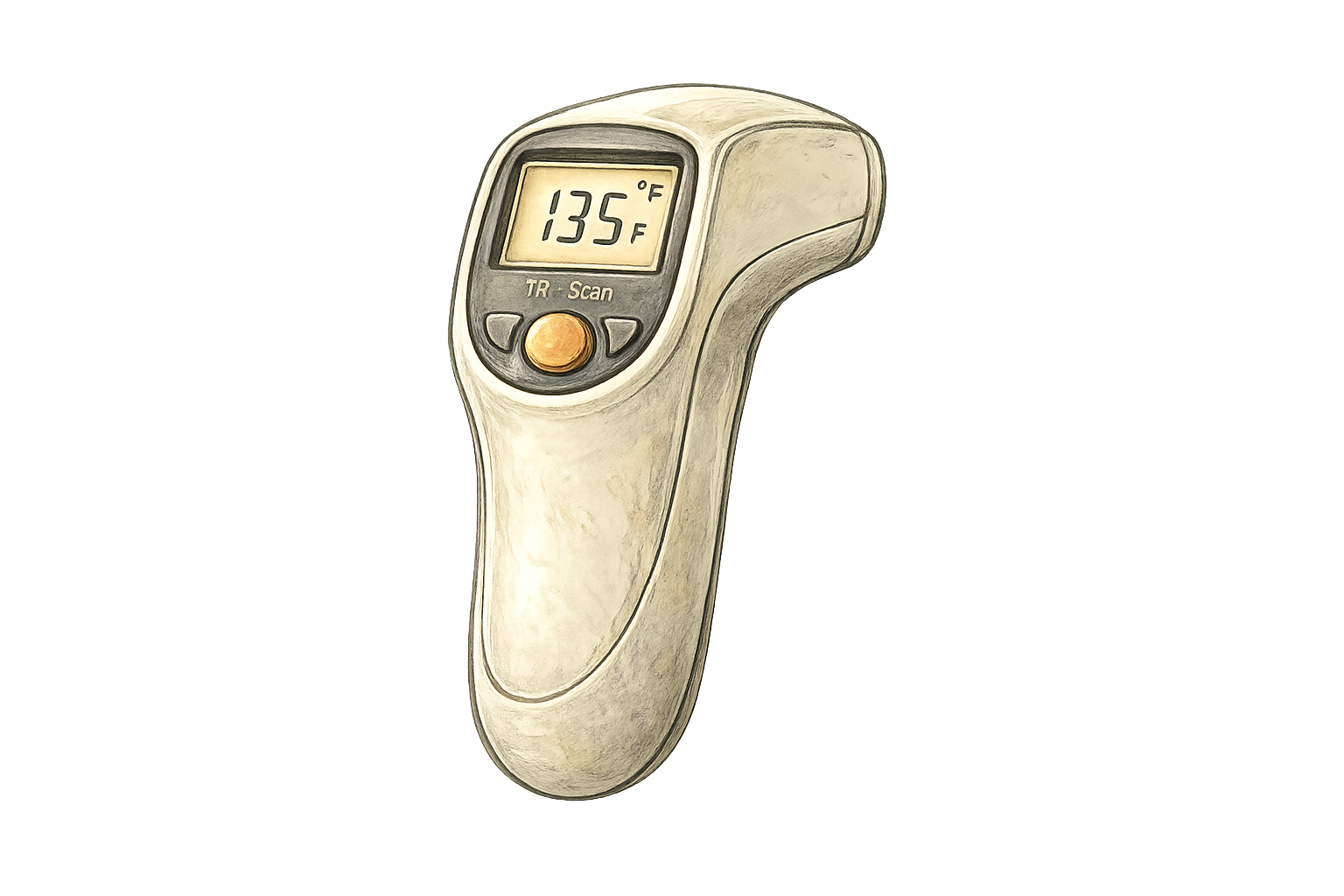
A pizza oven might say it is at 450°C, 500°C, or 900°F, but that does not mean the baking surface is actually ready. The air inside the oven can heat up quickly, while the stone or deck often takes much longer to fully saturate with heat. If the floor is too cold, your pizza can come out pale, soft, or underbaked underneath, even while the top looks finished. That is why heat recovery, stone thickness, insulation, and preheating matter so much.
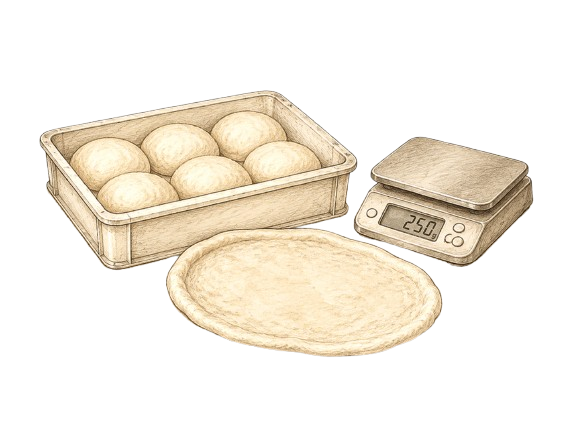
More hydration does not automatically mean better pizza.
A lot of home pizza makers chase higher hydration because it sounds more advanced. But a 70% hydration dough is not automatically better than a 62% dough. Hydration only works when it matches the flour, fermentation time, oven temperature, pizza style, and your handling ability. For a beginner, a slightly lower hydration dough often makes better pizza because it is easier to stretch, launch, and bake consistently.
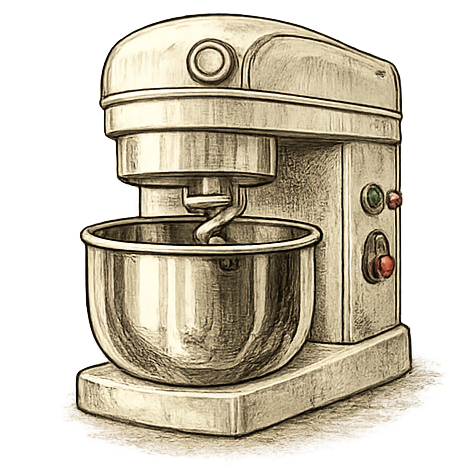
A spiral mixer does not just "mix faster."
A spiral mixer changes how dough develops. Unlike many stand mixers, a spiral mixer is designed to develop gluten while keeping the dough more organized and often cooler. That can matter a lot for higher hydration doughs, larger batches, and serious home pizza makers who want repeatable results. But that does not mean every home cook needs one. The real question is how much dough you make, how often you bake, and whether your current mixing method is limiting you.
Different pizza styles need different heat.
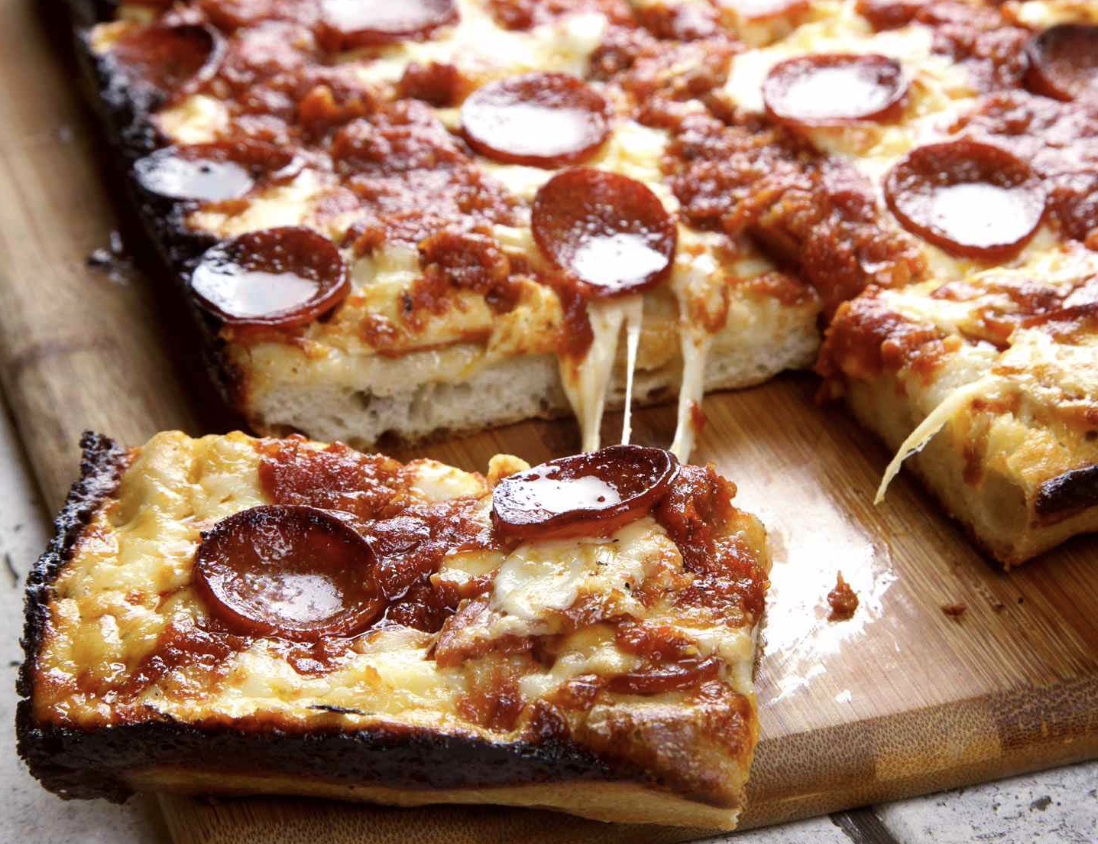
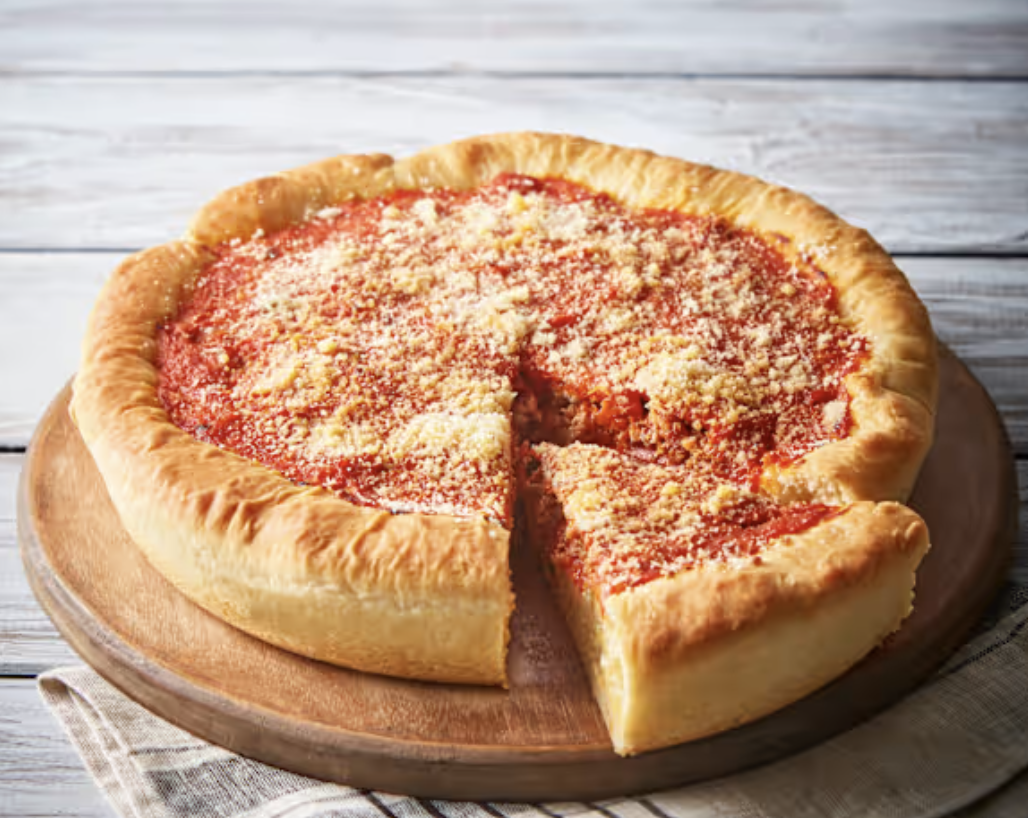
Neapolitan pizza wants very high heat and a fast bake. Detroit-style pizza wants pan heat, oil, cheese caramelization, and a longer bake. New York-style pizza usually works better at a lower temperature than Neapolitan, with more time for structure and browning. So when someone says "pizza should be baked as hot as possible," that is only partly true. The best temperature depends on the pizza.
Fermentation is not just "letting dough rise."
Fermentation changes flavor, texture, extensibility, browning, and how the dough feels in your hands. A same-day dough can make good pizza, but a 24–72 hour dough can give you more flavor, better structure, and easier handling when managed properly. The trick is not just waiting longer. It is controlling yeast, temperature, salt, flour strength, and timing.
Technique, gear, and culture collections—organized like labels on a well-stocked pantry.
Great pizza is built through repeatable technique. Learn how to mix, ferment, ball, stretch, top, launch, bake, and troubleshoot your dough across different pizza styles and oven setups.
Choosing pizza gear can get confusing fast. Gas or electric oven? Steel or stone? Spiral mixer or stand mixer? Pan or peel? These guides help you cut through the noise and understand what works, what matters, and what is worth paying for.
Pizza is more than one recipe. Explore regional styles, dough traditions, toppings, oven types, and the stories behind pizzas from Naples, New York, Detroit, Chicago, Rome, Brazil, Argentina, Sweden, Georgia, and beyond.
From the blog
Slide 1 of 12