Learn
Hydration
The balance between dough handling, extensibility, openness, and crispness.
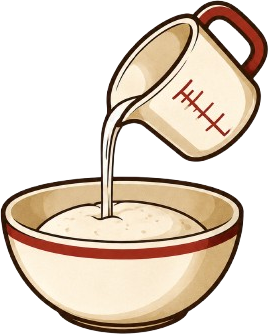
Hydration is the amount of water relative to flour. It shapes how dough feels under your hands and how the crust opens in the oven.
More water is not always better
Higher hydration can create a more open crumb and lighter eating texture, but it also makes dough harder to mix, ball, stretch, and launch. Lower hydration is easier to handle and can bake crisp, but it may feel tighter or denser if the dough is not rested well.
Match hydration to the bake
A hot oven can handle wetter dough because the crust sets quickly. A home oven often rewards moderation because the dough spends more time exposed to heat. Flour strength matters too: strong flour can usually hold more water, while softer flour may feel sticky sooner.
Hydration is a tuning knob. Change it slowly, take notes, and judge it by the baked crust rather than the number alone.
Bake it
Related recipes
-
Advanced
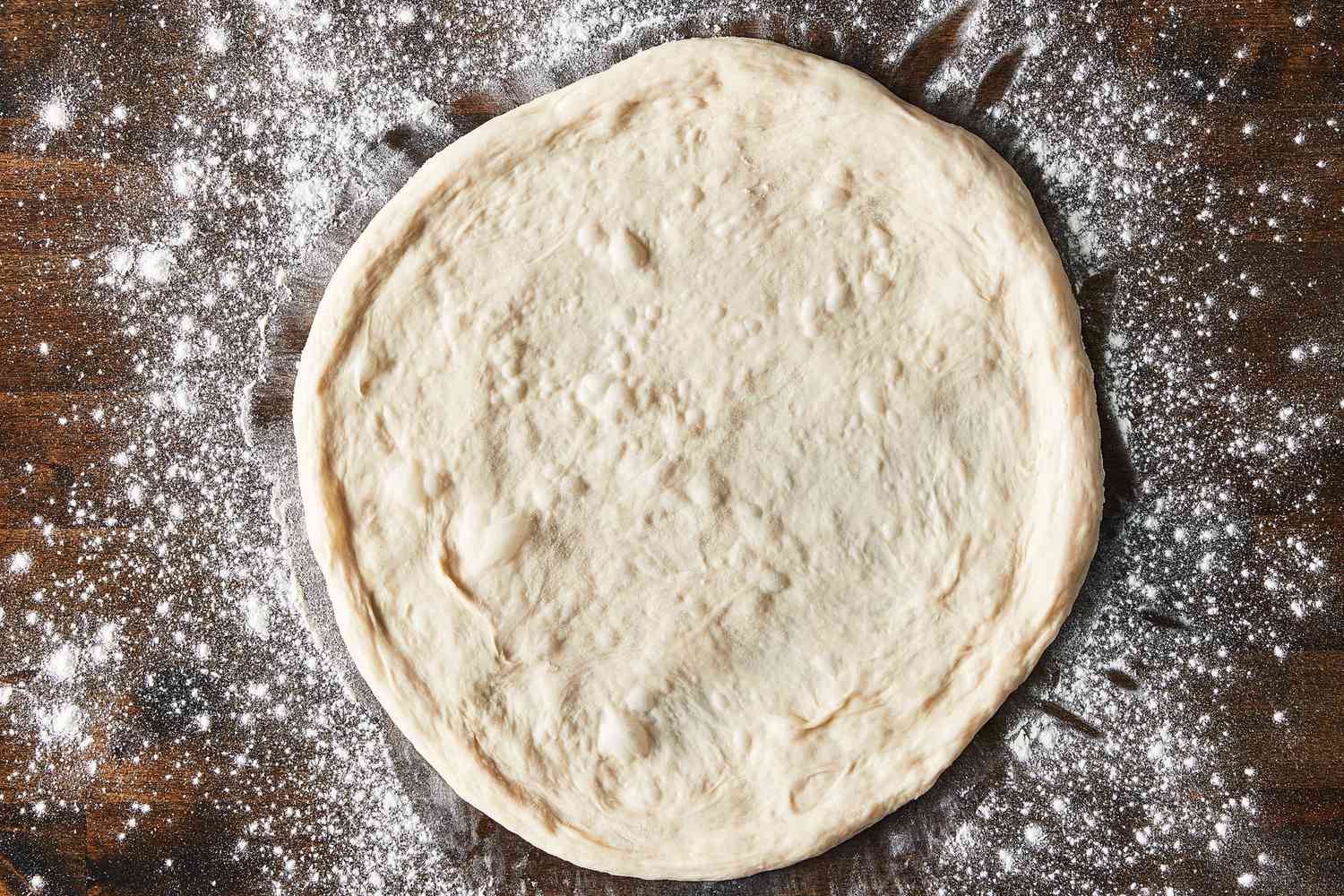
Sourdough Pizza Dough
Dough Recipes Romania 1 day 35 min 4 Dough Balls
 -
Intermediate
Pan Pizza Dough
Dough Recipes United States 12 hr 20 min 2 Portions
 -
Intermediate
Whole Wheat Pizza Dough
Dough Recipes16 hr 30 min 4 Dough Balls -
Intermediate
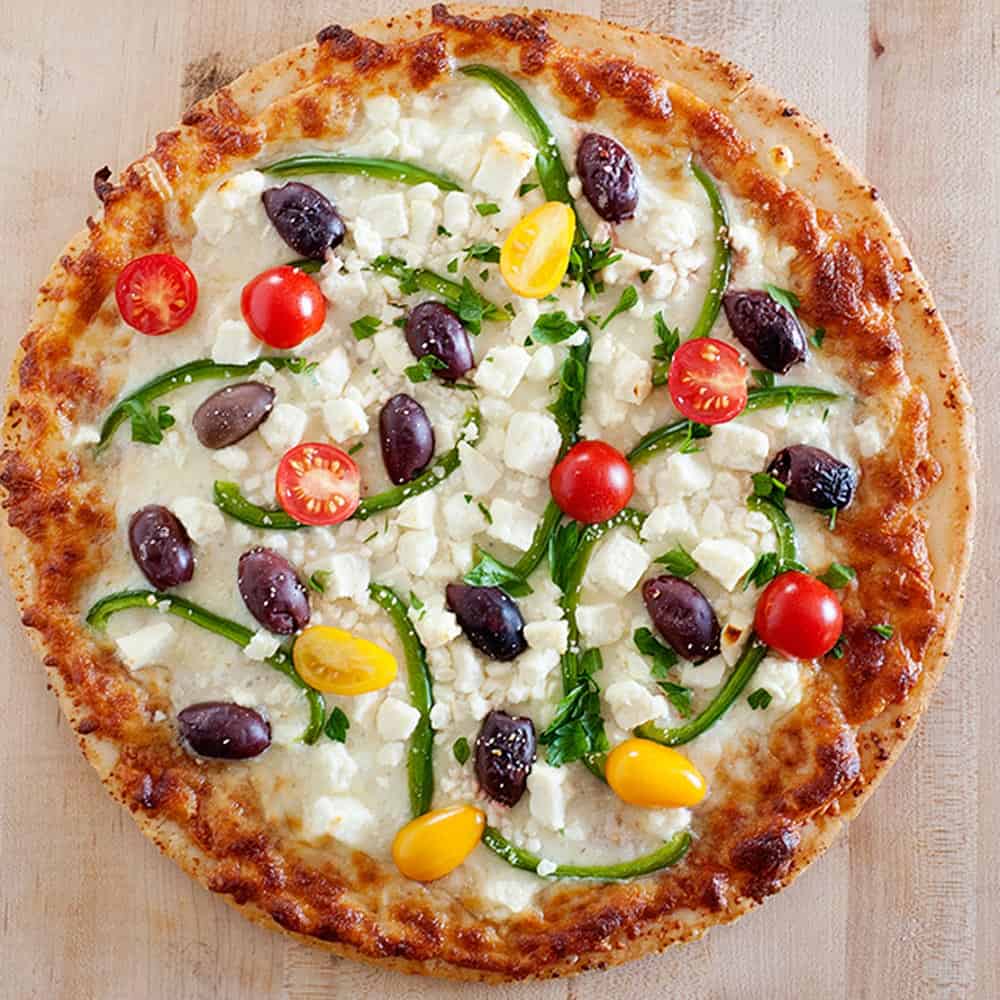
Sicilian Tomato Pan Pizza
Pizza Recipes Italy 12 hr 57 min 1 Pizzas
 -
Beginner
Same Day Pizza Dough
Dough Recipes5 hr 20 min 3 Dough Balls -

Intermediate
Classic Neapolitan Pizza
Pizza Recipes Italy Campania Neapolitan 1 day 53 min 4 Pizzas