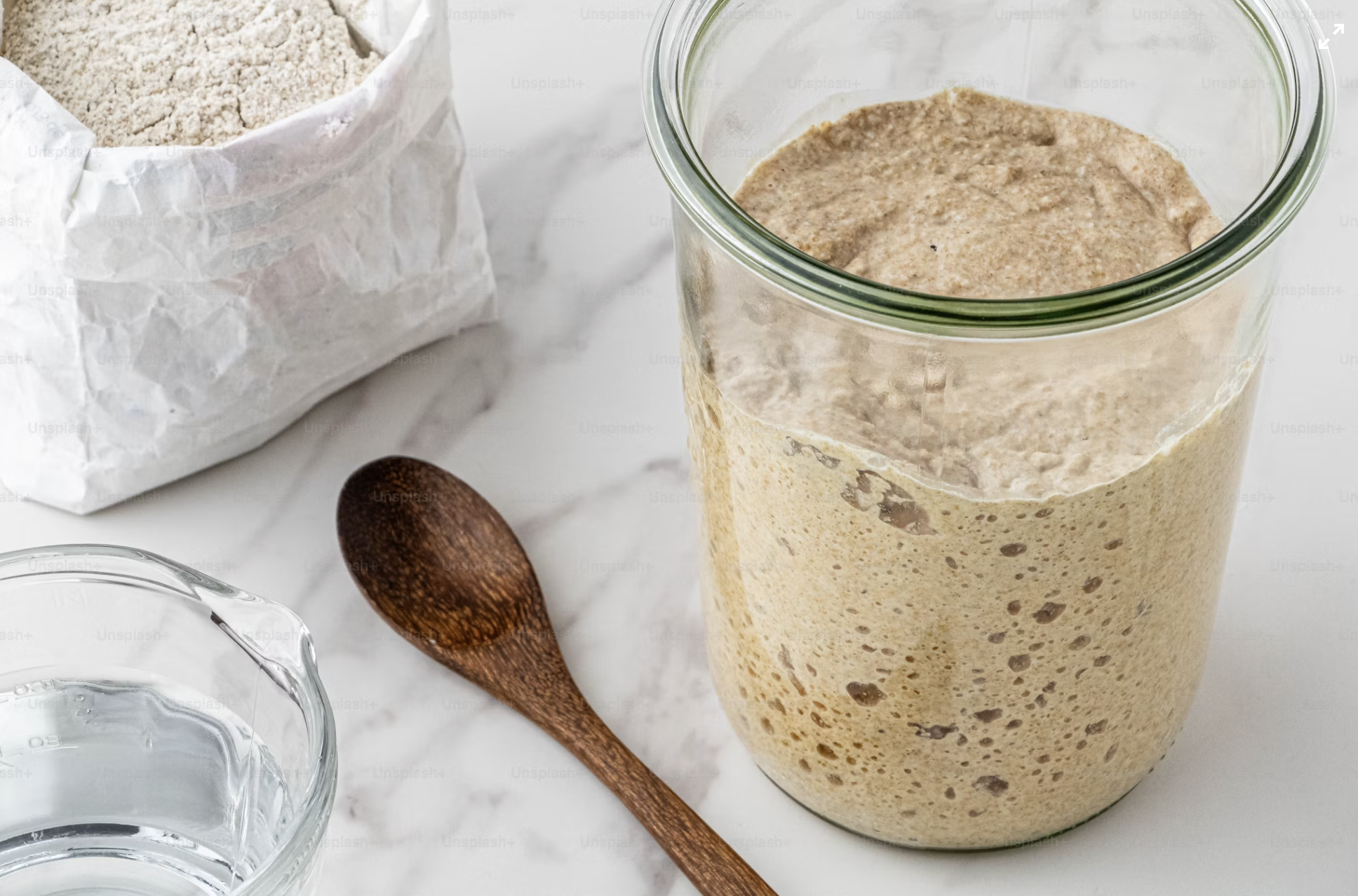
How to Make Poolish for Pizza Dough: A Step-by-Step Guide
If you’ve ever wondered how to get that next-level flavor and texture in your homemade pizza, the secret might be simpler than you think: a poolish. This easy-to-make preferment is a game-changer for home bakers. It adds depth of flavor and improves dough structure with just a little advance planning.
In this guide, we’ll walk you through exactly how to make poolish, how to know when it’s ready, and how to use it in your pizza dough.
What Is a Poolish?
A poolish is a type of preferment—a portion of the dough that you mix in advance. It’s a simple mixture of equal parts flour and water, with a tiny amount of commercial yeast. You let it ferment for 12 to 18 hours before mixing it into your final dough.
A preferment is a portion of the dough thatPage 7: This explains why poolish is so effective: it jump-starts fermentation and gluten formation.
Because the flour in a poolish is fully hydrated, it also shortens your overall mixing time. The result? A dough that’s easier to work with and produces a crust with better flavor and structure.
Why Use a Poolish?
Using a poolish takes a bit more planning than a direct dough (where you add yeast directly to the flour), but the payoff is worth it.
With a preferment, the process takes longer, anywhere from an additional 3 hours to several days. But with that extra time comes extra flavor, from the acids produced during the extended fermentation time.Page 7: This highlights the main benefit of using a poolish: deeper, more complex flavor.
The extended fermentation also increases acidity, which accelerates gluten development. This means your dough will have better structure and a more open crumb.
Ingredients for Poolish
You only need three ingredients:
- Flour (bread flour or all-purpose works well)
- Water (room temperature, about 70°F/21°C)
- Instant yeast (a very small amount)
The ratio is simple: equal parts flour and water by weight. For example, 100 grams of flour and 100 grams of water. For yeast, use about 0.1% to 0.2% of the flour weight. That’s roughly 0.1 to 0.2 grams for 100 grams of flour.
The type of yeast you choose depends on your personal preferences, scheduling restrictions, and product availability.Page 2: Instant yeast is the most reliable choice for poolish, as it mixes easily and has consistent activity.
Step-by-Step Instructions
Step 1: Mix the Poolish
In a medium bowl, combine the flour, water, and instant yeast. Stir until no dry flour remains. The mixture will be thick and paste-like.
Step 2: Cover and Rest
Cover the bowl with plastic wrap or a damp towel. Let it sit at room temperature (around 70°F/21°C) for 12 to 18 hours.
Step 3: Check for Ripeness
After 12 hours, start checking your poolish. It’s ready when:
- It has doubled in volume and is full of bubbles.
- The surface is domed and slightly glossy.
- It smells sweet and slightly milky.
The most important cue for determining ripeness is visual. The photos above show a young poolish that is not mature enough to use, a ripe poolish that is ready for final mixing, and an overripe poolish.Page 10: Visual cues are the most reliable way to tell if your poolish is ready.
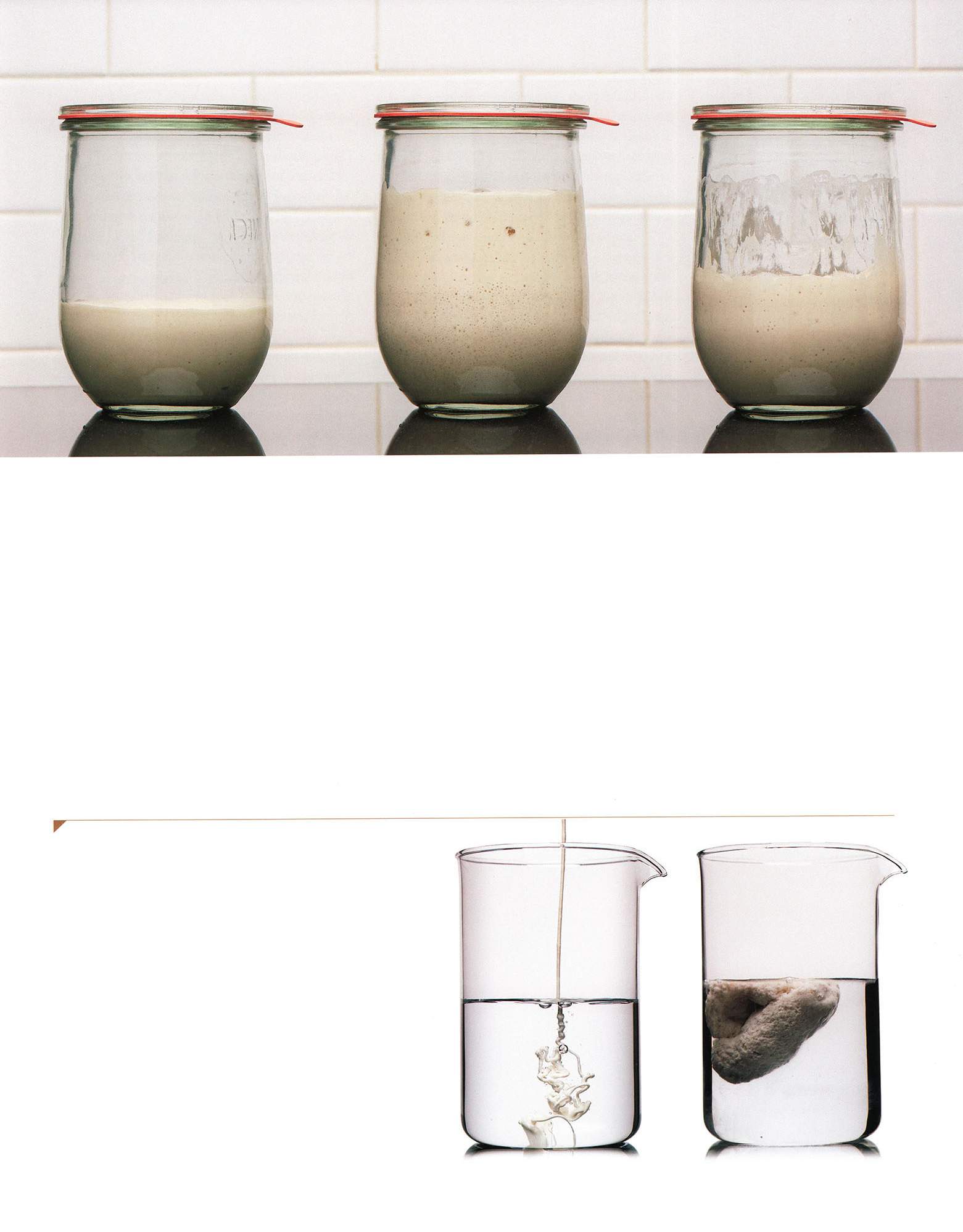
From left to right: young poolish (not ready), ripe poolish (ready to use), and overripe poolish (still usable but with less leavening power). (page 10)
Step 4: Perform the Float Test
The float test is a quick way to confirm ripeness.
Simply drop a spoonful of preferment into water: if it has enough carbon dioxide in it to float, it has enough to leaven your dough.Page 10: This is a simple, reliable test to ensure your poolish is active enough to use.
To do this, fill a small bowl with water. Drop a spoonful of poolish into the water. If it floats, it’s ready. If it sinks, give it another hour or two and test again.
Step 5: Use or Store
Once your poolish is ripe, you can use it immediately in your pizza dough recipe. If you need to delay, you can refrigerate it for up to 24 hours. Bring it back to room temperature before using.
How to Incorporate Poolish into Pizza Dough
When you’re ready to make your dough, simply add the poolish to the mixing bowl along with the remaining flour, water, salt, and any additional yeast (if your recipe calls for it).
We use both levain and poolish in our Focaccia Dough on page 2:148 and a mix of instant yeast and poolish in several of our other doughs.Page 7: Poolish can be used alone or in combination with other preferments for different results.
Because the poolish is already fermented, your final proof time may be shorter than with a direct dough. Keep an eye on your dough—it’s ready when it has doubled in size and feels puffy and elastic.
Troubleshooting Common Poolish Issues
My poolish didn’t bubble or rise.
This usually means the yeast was too old or the temperature was too cold. Make sure your yeast is fresh and your room is warm enough (70°F/21°C is ideal).
My poolish smells sour or like alcohol.
This is normal for an overripe poolish. It’s still usable, but its leavening power is reduced. You can add a small amount of fresh yeast (about 0.5% of the flour weight) to compensate.
DonPage 10: Overripe poolish can still be used, especially if you want a more tangy flavor.
My poolish is too stiff or too runny.
The consistency should be like a thick batter. If it’s too stiff, add a little more water. If it’s too runny, add a little more flour. Adjust by weight to maintain the 1:1 ratio.
Conclusion
Making poolish is one of the easiest ways to elevate your homemade pizza. With just a little advance planning, you can create a dough with deeper flavor, better texture, and improved structure. The process is simple: mix equal parts flour and water with a tiny amount of yeast, let it ferment for 12 to 18 hours, and use the float test to confirm it’s ready.
Once you’ve mastered poolish, you’ll wonder how you ever made pizza without it. Give it a try—your taste buds will thank you.
Frequently Asked Questions
1. Can I use active dry yeast instead of instant yeast for poolish?
Yes, you can. However, instant yeast is preferred because it mixes more easily and has more active yeast cells. If using active dry yeast, you may need to rehydrate it in warm water first.
2. How long can I keep poolish in the refrigerator?
You can refrigerate ripe poolish for up to 24 hours. Bring it to room temperature before using it in your dough.
3. Can I make poolish with whole wheat flour?
Yes, whole wheat flour works well. It will ferment slightly faster due to the higher nutrient content, so check it earlier.
4. What’s the difference between poolish and biga?
Poolish is a high-hydration preferment (equal parts flour and water), while biga is stiffer (lower hydration). Poolish ferments faster and is easier to mix into dough.
5. Do I need to feed my poolish like a sourdough starter?
No, poolish is a one-time preferment. You mix it, let it ferment, and use it all in your dough. It doesn’t require ongoing maintenance.