Can You Make Pizza Dough Without Yeast? Exploring Alternatives
You're ready to make pizza, but you open your pantry and realize you're out of yeast. Don't worry—you're not out of luck. While commercial yeast is the most common leavening agent for pizza dough, it's far from the only option. In fact, many traditional and modern pizza-making methods rely on alternatives that can produce a crust with even more flavor and character.
In this article, we'll explore whether you can make pizza dough without yeast, what alternatives exist, and how each option affects your final pizza.
The Short Answer: Yes, You Can Make Pizza Dough Without Yeast
Absolutely. You can make pizza dough without adding commercial yeast by using a levain (also known as a sourdough starter), a preferment like poolish, or even by relying on wild yeast naturally present in flour. Each method produces a different crust, but all can yield delicious results.
Commercial yeast is a rather new product... levain was certainly the original option for fermenting pizza doughs.Page 12: This quote confirms that yeast-free pizza dough is not only possible but historically traditional.
What Are Your Alternatives to Commercial Yeast?
1. Levain (Sourdough Starter)
A levain is a culture of wild yeast and lactic acid bacteria (LAB) that you maintain by feeding it flour and water. It's the original way to leaven dough, used long before commercial yeast existed.
How it works: Wild yeast and bacteria naturally present in flour and the environment colonize a mixture of flour and water. Over time, this culture becomes active and can leaven dough.
Pros:
- Produces a depth of flavor that commercial yeast can't match
- Adds complexity and aroma to your crust
- Creates a naturally fermented product
Cons:
- Requires daily feeding and maintenance
- Takes longer to develop (days to weeks)
- Less predictable than commercial yeast
Levains produce doughs that have a depth of flavor that commercial yeast-based doughs donPage 12: This highlights the main advantage of using a levain over commercial yeast.
Commercial levain cultures offer a shortcut to traditional sourdough flavor. (page 12)
2. Poolish (A Wet Preferment)
A poolish is a type of preferment made with equal parts flour and water, plus a tiny amount of commercial yeast. While it does use yeast, the amount is so small that many consider it a "yeast-light" alternative.
How it works: You mix a small amount of yeast with water and flour, let it ferment for 12–16 hours, then incorporate it into your final dough.
Pros:
- Simple to make and requires no maintenance
- Can be ready in as few as 3 hours or as many as 18 hours
- Adds flavor and improves dough structure
- Shortens final proof time
Cons:
- Still uses some commercial yeast
- Requires planning ahead
ItPage 9: This explains why poolish is an accessible alternative for home bakers.

Poolish produces a flavorful Neapolitan-style crust with minimal yeast. (page 9)
3. Commercial Levain Cultures
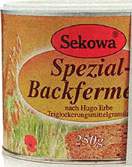
If you want the flavor of a sourdough starter without the maintenance, you can use a commercial levain culture. These are freeze-dried mixtures of flour, yeast, and lactic acid bacteria that can ripen into a mature culture within 24 hours.
How it works: You mix the culture with water and flour, let it ripen, and then use it in your dough.
Pros:
- Consistent and reliable
- No daily feeding required
- Produces sourdough-like flavor quickly
Cons:
- Less traditional than maintaining your own starter
- Requires purchasing a specialized product
Florapan and other commercial starter cultures are mixtures of freeze-dried flour, yeast, and lactic acid bacteria that can be mixed with water and ripen into a mature culture within 24 hours.Page 12: This explains how commercial cultures offer a shortcut to traditional sourdough flavor.
4. Second-Chance Levain (Freezing Leftover Starter)
If you have an established levain but don't want to maintain it daily, you can freeze portions for later use. This technique, called second-chance levain, allows you to save unused starter and use it for flavor even after the yeast has died.
How it works: Freeze portions of your levain for up to 2 months. When thawed, the yeast and LAB will be dead, but the flavor remains. You'll need to add a small amount of commercial yeast for leavening.
Pros:
- Reduces waste
- Adds levain flavor without ongoing maintenance
- Convenient for occasional baking
Cons:
- Requires adding commercial yeast for leavening
- Freezing for more than 2 weeks reduces leavening power
Freezing levain for longer than 2 weeks will kill the yeast and LAB. It strips the levain of its leavening power but leaves the wonderful levain flavor intact.Page 19: This explains how frozen levain can still contribute flavor even without leavening ability.
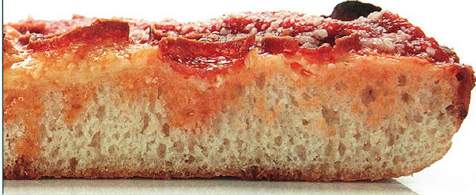
Second-chance levain dough combines frozen starter flavor with fresh yeast for reliable results. (page 19)
Can You Make Pizza Dough with No Yeast at All?
Technically, yes—but the result will be a flat, cracker-like crust. Without any leavening agent (commercial yeast, levain, or chemical leaveners like baking powder), your dough won't rise. Some recipes use baking powder or baking soda as a substitute, but these produce a different texture and flavor profile.
If you want a truly yeast-free pizza, consider:
- Baking powder pizza dough – Quick and easy, but produces a denser, more biscuit-like crust.
- Soda bread-style pizza – Uses baking soda and buttermilk for a tangy, tender crust.
These options don't require any fermentation time, making them ideal for last-minute pizza cravings.
How Do These Alternatives Compare to Commercial Yeast?
| Method | Yeast Required | Fermentation Time | Flavor | Effort |
| Commercial yeast | Yes | 1–3 hours | Mild | Low |
| Poolish | Minimal | 12–16 hours | Moderate | Medium |
| Levain (sourdough) | No | 8–24 hours | Complex | High |
| Commercial levain culture | No | 24 hours | Complex | Medium |
| Second-chance levain | Yes (added) | Varies | Complex | Medium |
| Baking powder | No | None | Neutral | Low |
Frequently Asked Questions
1. Can I make pizza dough without any yeast at all?
Yes, but you'll need a substitute like baking powder or baking soda. Without any leavening agent, your dough won't rise and will produce a flat, cracker-like crust.
2. What's the easiest yeast alternative for pizza dough?
Poolish is the easiest alternative that still produces a flavorful, risen crust. It requires only a tiny amount of yeast and minimal effort.
3. How do I make a sourdough starter for pizza dough?
Mix equal parts flour and water, then feed it daily with more flour and water. After 5–7 days, it should be active and ready to use. Keep it at a consistent temperature for best results.
4. Can I use baking powder instead of yeast for pizza dough?
Yes. Baking powder is a chemical leavener that works immediately. It produces a denser, more biscuit-like crust but is perfect for quick, no-wait pizza.
5. Does pizza dough without yeast taste different?
Yes. Dough made with a levain or preferment has a more complex, tangy flavor due to the acids produced during fermentation. Dough made with baking powder has a neutral, slightly salty taste.
Conclusion
Making pizza dough without commercial yeast is not only possible but can lead to some of the most flavorful crusts you'll ever taste. Whether you choose to maintain a sourdough starter, use a poolish, or experiment with commercial levain cultures, each method offers unique benefits.
The key is to understand what each alternative brings to the table—and to your pizza. If you're short on time, a poolish or baking powder dough will serve you well. If you're after depth of flavor, a levain is worth the effort. And if you have leftover starter, freezing it for a second-chance levain is a smart way to reduce waste while still enjoying that signature sourdough taste.
So next time you run out of yeast, don't panic. You have plenty of delicious options waiting to be explored.